
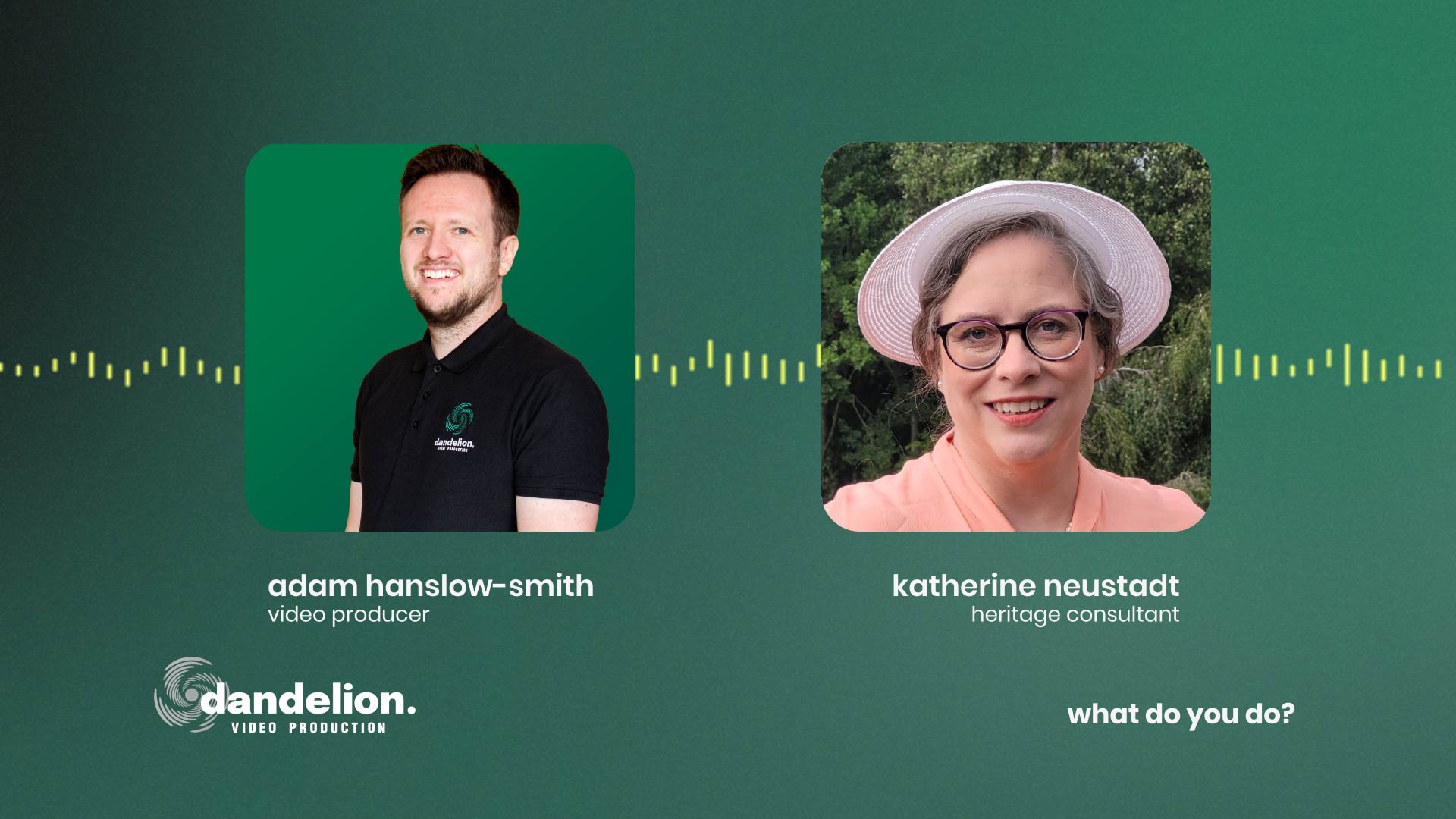
What Do You Do? podcast
Katherine Neustadt | Principal Heritage Consultant | AtkinsRealis
What do you think of when you hear the word ‘heritage’? It’s easy to imagine something in a glass case in a museum somewhere, completely removed from the real world. But heritage is a living, breathing and constantly evolving thing, and the understanding and preservation of our heritage needs to be carefully balanced with future progress, lest we forget where we came from.
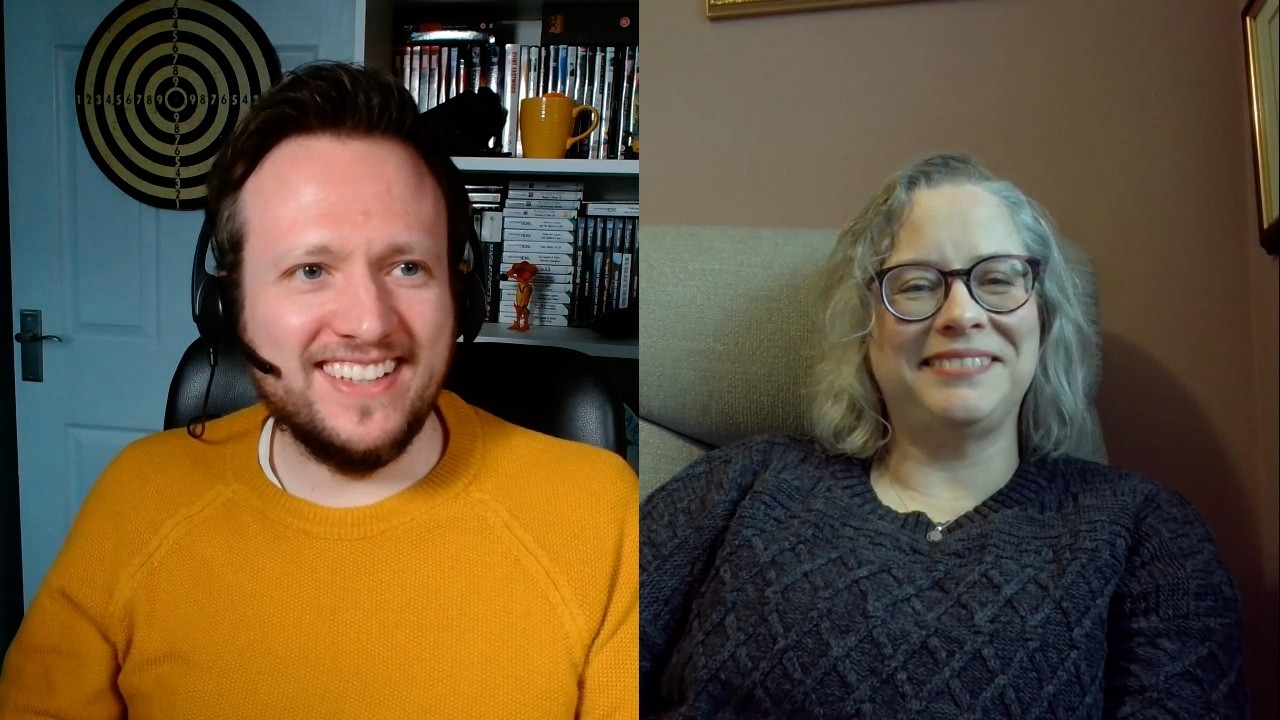
Key Takeaways
- Heritage assets can range from individual artworks to entire historical landscapes.
- The preservation of heritage involves many disciplines, including archaeology, examining historic buildings, and environmental impact assessments.
- Excavation is almost always necessary to uncover heritage sites. In this instance, the only way to preserve something is called ‘preservation by record’.
The Role of a Heritage Consultant
The Complexities of Heritage
Heritage is a vast concept, and in the episode above, I feel we barely scratched the surface. A country, like the UK, has such a rich past that it seems like you can barely walk a mile without tripping over an important piece of history.
Which leads to the main challenges of being a heritage consultant – first of all, how can a country continue to progress and grow if developers are constantly worried about digging up something they shouldn’t be? Secondly, how much history have we already lost over the last several hundred years by developers who simply didn’t care about preservation at all (yes, in the podcast we do discuss two graveyards that got completely built over by the railways).
Katherine has a pragmatic approach to it.
Balancing Preservation and Progress
As Katherine explains in the podcast, archaelogists will always want to spend more time digging. Developers will always want to spend less time digging, but as she explains, “if no-one is happy, I’ve done my job.”
The heritage consultant doesn’t decide the outcome of a site, they decide how much evidence is presented to the decision makers – most often local authorities or Historic England. By doing her job properly, new developments can seamlessly fit into existing landscapes, progressing areas into the future whilst maintaining both the historical and cultural significance.
What Do We Do?
We founded the What Do You Do? podcast to hear from people like Katherine, where what they do isn’t well understood or appreciated.
Videos, like the one above, are a great way to bring complex topics to a wider audience – find out how we can do it here.
written by
Videographer and video producer with over 15 years experience in both B2B and B2C video marketing. He writes about everything he learned delivering over 1200 video projects across the engineering, education, charity and tech sectors.
