
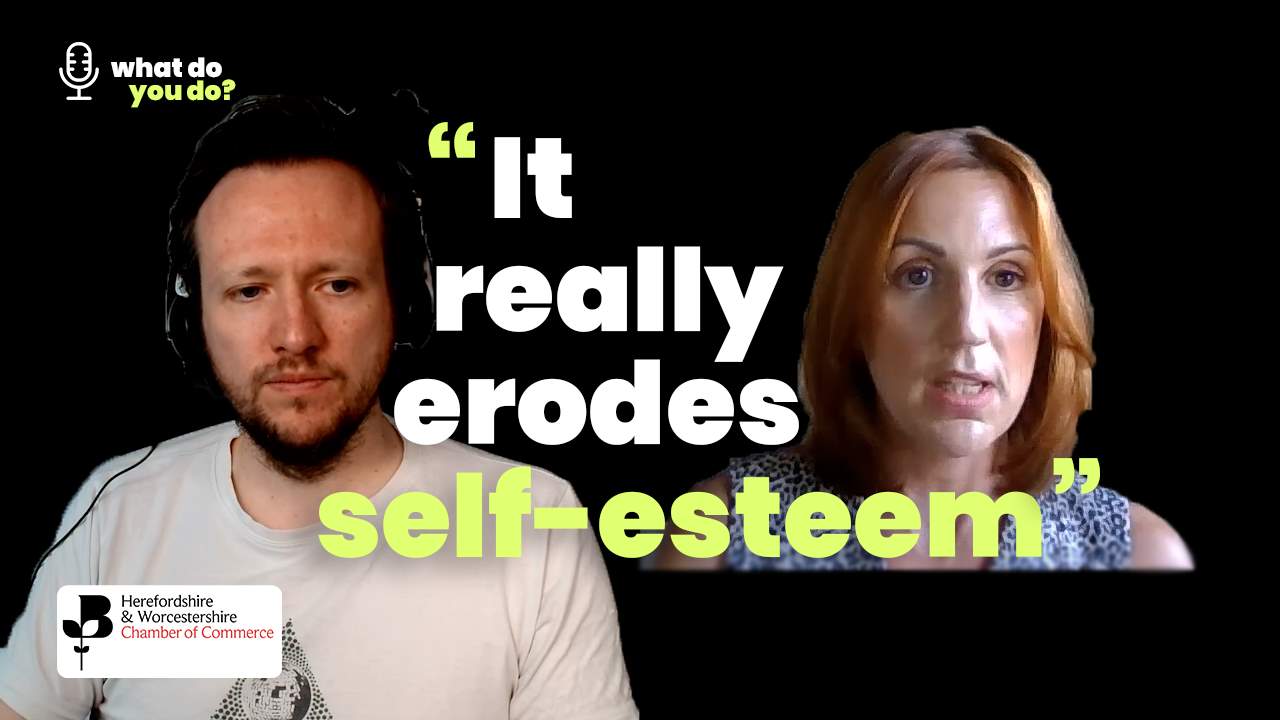
What Do You Do? podcast
Holly Bolt | Nurturing ND
When we think of dyslexia, we naturally assume that it means having difficult reading and writing. Pop culture has done it’s best to imagine what this might look like to someone who faces it.
But dyslexia is far more than that.
Dyslexia is a set of processing difficulties, which could also manifest as struggling with writing down thoughts clearly, following verbal instructions, remembering something they’ve just heard or holding several things in mind at once.
It’s up to the dyslexia specialist to identify these difficulties and suggest ways to overcome them. In this episode, I speak with Holly Bolt to find out more.
Key Takeaways
- Dyslexia is far more than struggling to read. It can affect how a person processes information, including memory, writing, spelling, processing speed, and following instructions.
- Signs can be hidden by coping strategies. Repeating instructions, writing everything down, or constantly checking work may help someone manage challenges.
- There are a wide variety of adjustments available to help individuals cope with their learning differences.
The Role of a Dyslexia Specialist
Indicators of Dyslexia
With some people, indicators of dyslexia might be obvious, but others can go years or even decades without even realising. Holly explains that people with dyslexia build coping strategies to… cope with being different. Many don’t even realise they’re doing it, or that it’s out of the ordinary.
Common indicators of dyslexia in children can include:
- Difficulty remembering short instructions
- Taking much longer than peers to complete work
- Seemingly unusually tired after school
- Struggling to transfer thoughts from brain to paper
- Needing repeated reminders for simple tasks
However, every profile is different, and no single things guarantees a diagnosis of dyslexia, not to mention when those indicators are hidden well. For example, a child may be brilliant at conversation and have a lot of great ideas, but still have difficulty writing those ideas down.
With dyslexic adults – they don’t think of themselves as “bad at things.” They just feel that everything takes more effort than it seems to take for everyone else. That can be an important clue.
How a Dyslexia Assessment Can Help
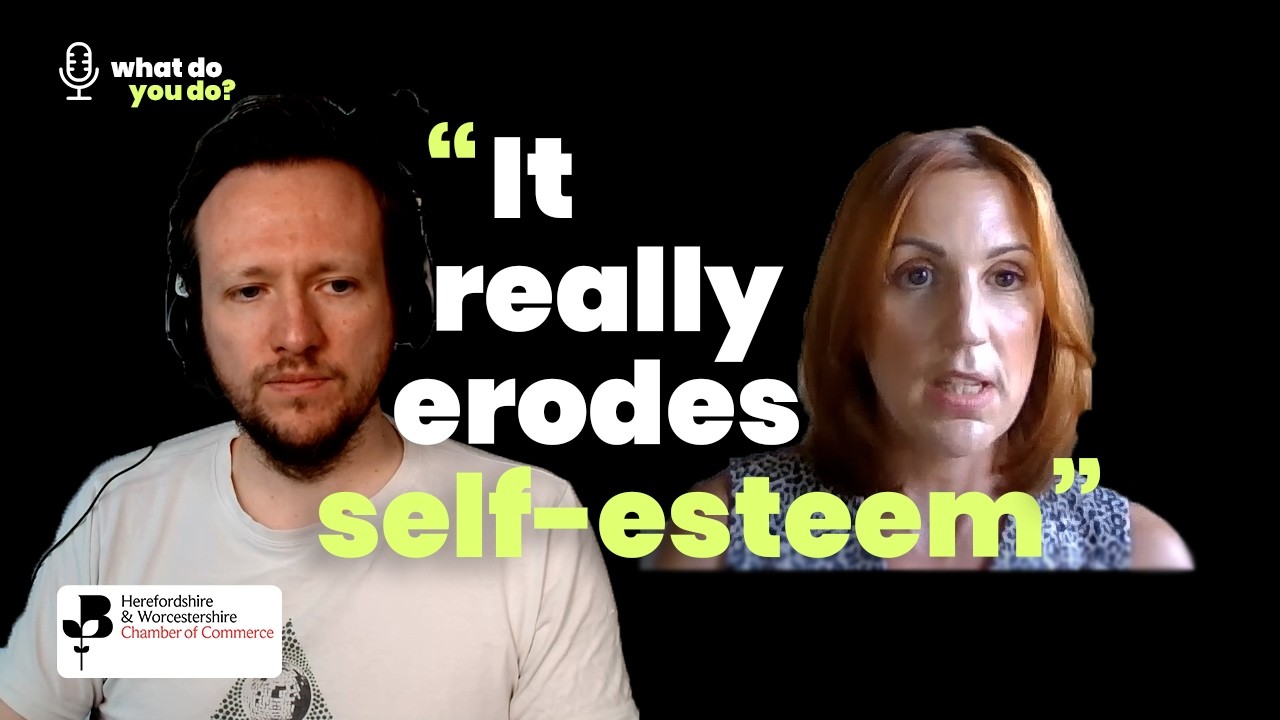
During the episode, Holly explained that the biggest value of an assessment is understanding yourself better. People with dyslexia (or other kinds of neurodivergence) can have ingrained shame from feeling less than their peers. Once someone understands exactly who they are, not only can they begin to take practical steps, they can also give themselves grace.
Holly explains that her report gives tips and guidance that can benefit an individual for their entire life, not just at school. You’re unlikely to get another dyslexia assessment, so she wants people to be prepared to face anything.
This can help an individual to appreciate their strengths, rather than worry about their weaknesses, and access support such as workplace adjustments, or assistive technologies.
As Holly’s experience shows, the aim is not to “fix” someone, but to understand what helps them thrive.
What Do We Do?
We founded the What Do You Do? podcast to hear from people like Holly, to understand more about things that we think we understand.
Videos, like the one above, are a great way to educate your customers about what you do – find out how we can do it here.
written by
Videographer and video producer with over 15 years experience in both B2B and B2C video marketing. He writes about everything he learned delivering over 1200 video projects across the engineering, education, charity and tech sectors.
