
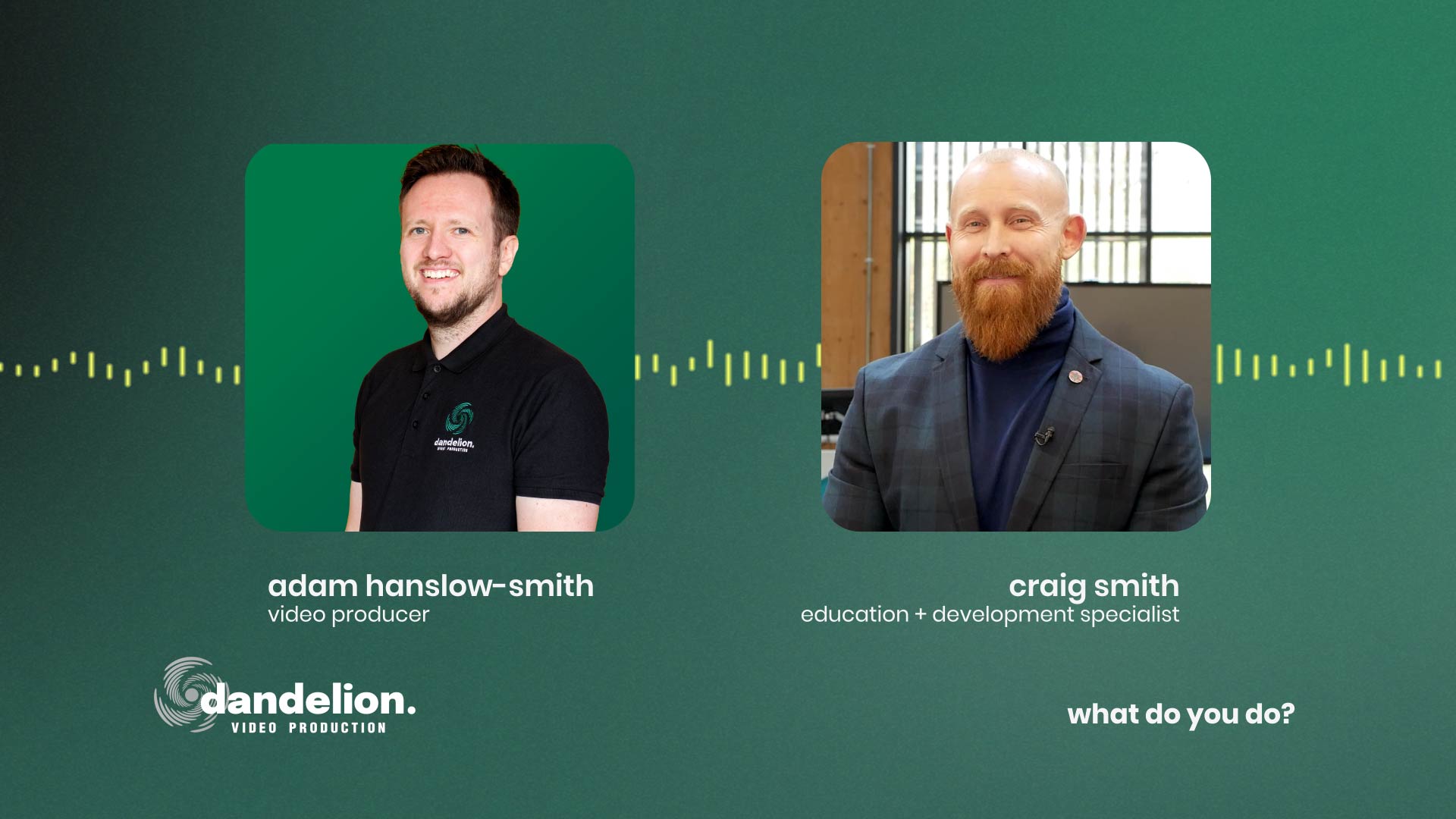
What Do You Do? podcast
Craig Smith | Head of Education + Quality Assurance | MEP
The typical and common route through education is the academic one. School, college, university. Teachers, lecturers, professors. But where do you go if you haven’t been able to access higher or further education? Where do you go if you want to develop yourself or your team? And where do teachers go to become good teachers?
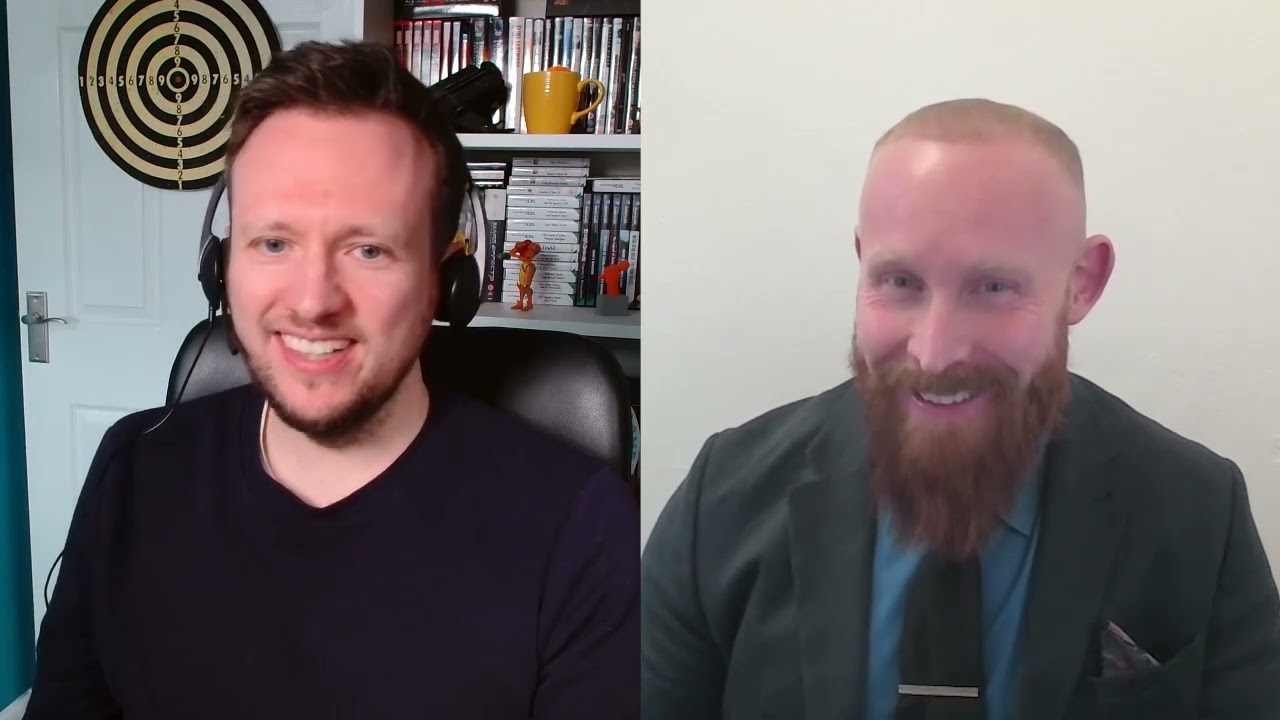
Key Takeaways
- Approaching education and development more flexibly will get much better results for both learners and educators.
- Self-development doesn’t really stop. Working to continuously improve your skills will make you stand out in your career.
- Learners are far more likely to remember how you made them feel that your expertise, so as an educator it’s essential to focus on how you are perceived.
The Role of the Education and Development Specialist
An Early Start in Education and Development
Craig Smith started teaching when he was 14 years old, when his martial arts teacher recognised his aptitude and gave him the opportunity – which of course also demonstrates an excellent approach to teaching; approaching your students flexibly and equitably, rather than rigidly and equally.
Despite this early start, Craig struggled in traditional academic education, but found success later in life, obtaining his degrees and qualifications after the age of 30. This gave him a unique insight into other adult learners that either struggled with education and development, like he did, or are struggling currently because of work and family commitments.
An Early Influence
Teachers and other mentors are key figures in our development when growing up, and the influence of both good and bad teachers can’t be overstated. One exercise during the conversation highlighted that we often remember how these early influences made us feel, rather than how good they were at the subject they taught.
As much as course knowledge and the ability to convey it are important, the soft skills required to make learners feel supported shape the overall experience. By fostering an environment of support, learners can open up about their challenges and with their teacher, can solve them collectively, building a culture of trust and accountability.
What do we do?
We started the What Do You Do? podcast to showcase people like Craig, whose role we may not appreciate or understand enough about.
Videos, like the one above, are a great way to bring greater awarenss to people, processes, or cases – find out how we can do it here.
written by
Videographer and video producer with over 15 years experience in both B2B and B2C video marketing. He writes about everything he learned delivering over 1200 video projects across the engineering, education, charity and tech sectors.
